
Chemical peels
A chemical peel is a controlled application of a skin-safe acid that loosens dull, pigmented surface cells so fresher skin can form. The right peel, strength and timing depend on your skin type and the reason for the peel, which is why I choose it after examining your skin.
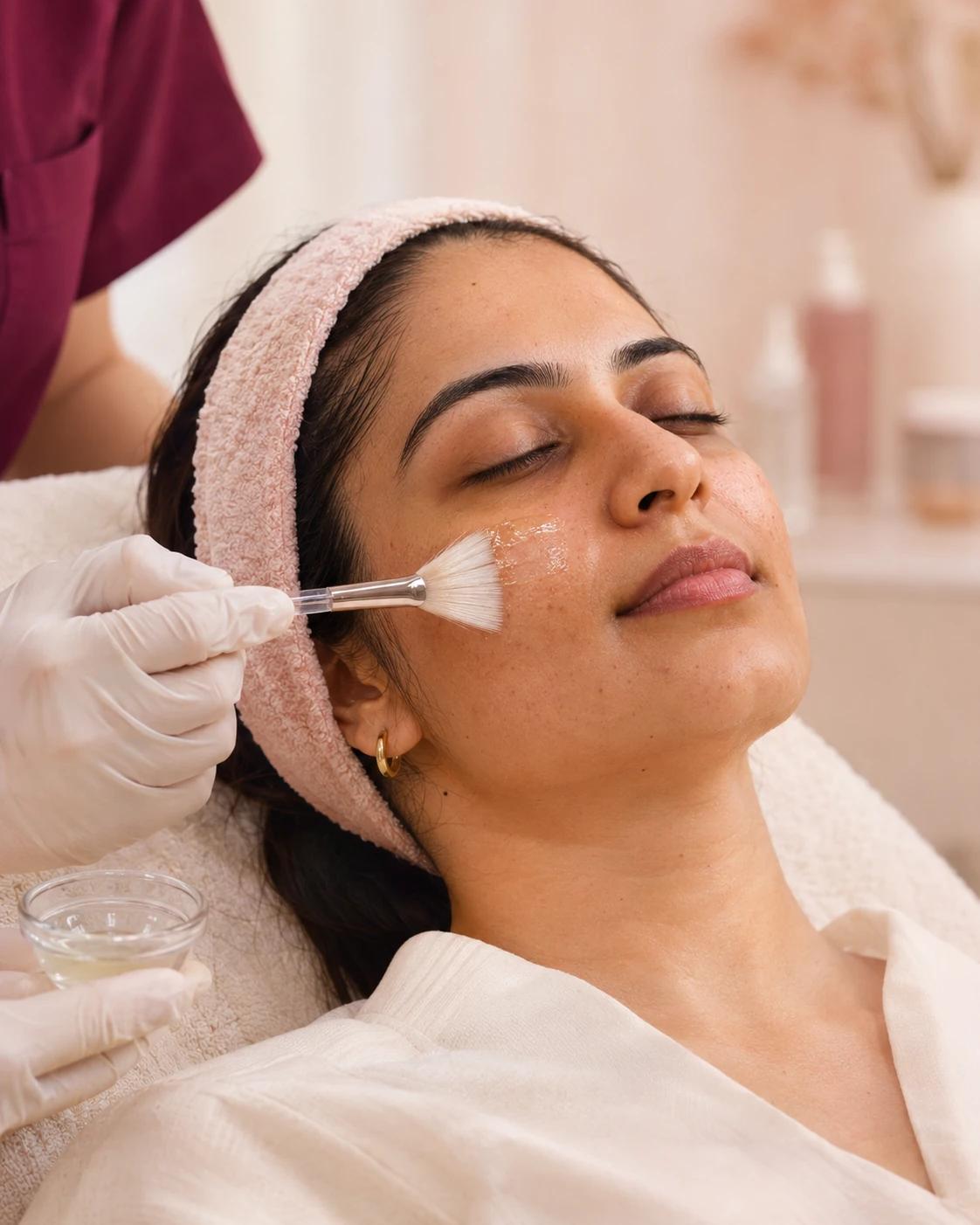
Illustrative model. Not a patient.
- First step
- Skin check and preparation
- Sessions
- Usually 4 to 6
- Gap
- 2 to 4 weeks
- Downtime
- None to 7 days, by peel
What it is
A peel speeds up the skin's natural shedding. Superficial peels work on the outermost layer and cause little or no visible peeling. Medium-depth peels reach deeper, give stronger results for selected pigment and scarring, and need more downtime and care. Deep peels carry a higher risk of pigment change in Indian skin, so gentler peels are preferred.
Most people need a series of peels a few weeks apart. Results build gradually and last longer with daily sunscreen.
Who it may suit
- Melasma and pigmentation: as part of a plan with sunscreen and creams.
- Acne and acne marks: to unclog pores, calm active acne and fade brown or red marks.
- Tanning and uneven tone: sun tan on the face, neck and hands.
- Open pores and oily skin: to refine texture and control oil.
- Dull, tired skin: for brightness before an event, with no or minimal peeling.
- Early fine lines and rough texture: surface smoothing.
- Body areas: underarm and neck darkening, back acne, elbows and knees.
Peels are not suitable during pregnancy (for some acids), with active infection, cold sores, sunburn, or recent use of isotretinoin. They need extra care in people who form keloids.
Types of peels
| Peel | Depth | Often used for | Usual downtime |
|---|---|---|---|
| Glycolic acid | Superficial | Dullness, tanning, mild pigmentation, texture | None to light flaking |
| Salicylic acid | Superficial | Oily skin, blackheads, active acne, back acne | Light flaking for 2 to 3 days |
| Lactic acid | Superficial | Dry or sensitive skin, gentle brightening | Usually none |
| Mandelic acid | Superficial | Sensitive or darker skin, acne marks, melasma | Usually none |
| Yellow (retinol) peel | Superficial to medium | Melasma, pigmentation, early ageing | Yellow tint for a day, peeling for 3 to 5 days |
| Jessner's peel | Superficial to medium | Acne marks, pigmentation, oily skin | Peeling for 3 to 7 days |
| TCA, low strength | Medium | Selected pigmentation and scars, under close supervision | Visible peeling for about a week |
| Depigmentation peel | Superficial to medium | Stubborn melasma | Redness and peeling for several days |
| Carbon laser peel | Surface, with laser | Oily skin, open pores, dull skin | Usually none |
Special-area peels such as under-eye, lip, underarm and neck peels use gentler strengths.
Peels by concern
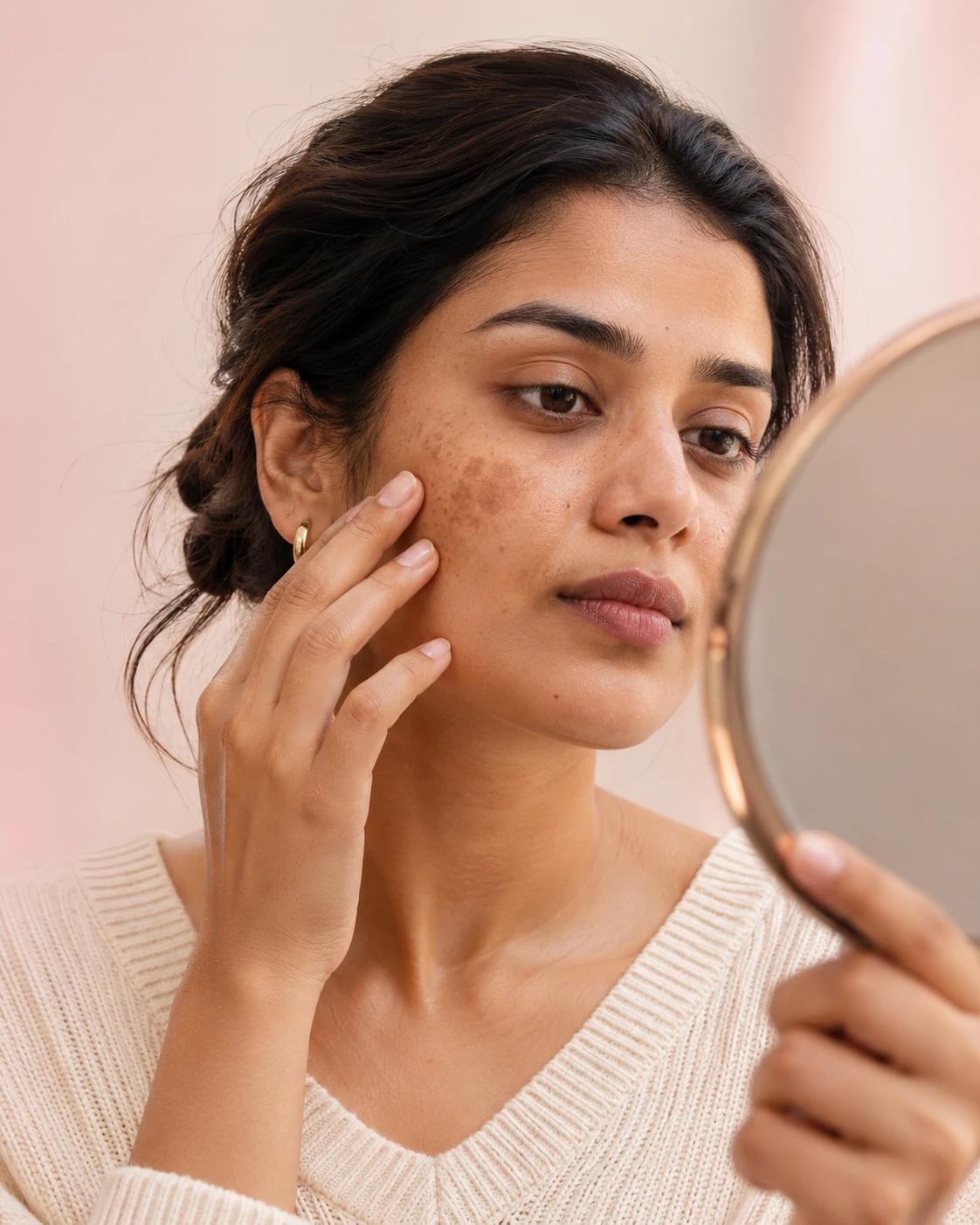
Melasma. Gentle peels such as mandelic, lactic or low-strength glycolic are used in a series, alongside sunscreen and prescribed creams. Strong peels can worsen melasma, so the strength is raised slowly.
Acne and acne marks. Salicylic acid clears blocked pores and calms active acne. Glycolic, mandelic or Jessner's peels fade brown marks over a series. Deep acne scars need other treatments such as MNRF.
Tanning and dull skin. Glycolic or lactic peels lift tan and restore brightness, often with no visible peeling.
Open pores and oily skin. Salicylic and carbon peels reduce oil and refine pores for a while; regular sessions keep the effect.
How the doctor assesses it
- Examines your skin type and tone, the concern and how deep the pigment or scarring sits.
- Asks about recent sun exposure, medicines (especially isotretinoin and retinoids), cold sores, keloids and past reactions.
- Chooses the peel and strength, and may start a 2-week preparation cream to reduce the risk of darkening.
- Plans the number of sessions and the gap between them.
On the day
- The skin is cleaned and degreased.
- Sensitive areas such as the eye corners and lips are protected.
- The peel is applied for a set time. Most people feel tingling or mild stinging for a few minutes.
- The peel is neutralised or removed, and a soothing cream and sunscreen are applied.
A session usually takes 20 to 30 minutes.
Preparing for a peel
Stop retinoid creams and scrubs about 5 to 7 days before, unless told otherwise. Avoid waxing, threading, laser and a fresh sun tan on the area. Some patients start a preparation cream for 2 weeks to lower the risk of darkening.
Aftercare
Do not pick or pull flaking skin. Use a gentle cleanser, a plain moisturiser and sunscreen every day. Avoid steam, swimming, saunas and heavy sweating for 48 hours, and avoid active creams until the skin settles.
Chemical peel, laser toning or microneedling?
| Chemical peel | Laser toning | Microneedling or MNRF | |
|---|---|---|---|
| Best for | Surface pigment, tan, acne marks, dullness | Deeper or stubborn pigment, melasma | Acne scars, open pores, texture |
| Downtime | None to 7 days | Usually none | 1 to 5 days |
| Often combined | With laser toning or microneedling | With peels | With peels or PRP |
Many plans combine these, spaced weeks apart. For a gentler, glow-focused option, see medifacials.
After your consultation
Every treatment at Aishanya starts with a consultation with Dr. Saloni. After examining your skin and understanding your goals, she and the team explain the recommended treatment, the number of sessions, and the packages and fees, so you can decide in your own time.
Risks and limits
Peels can cause redness, burning, prolonged peeling, infection, cold-sore flare-ups, darkening or lightening of the skin, and, rarely, scarring, especially if aftercare is not followed or the skin is tanned. Not suitable during some illnesses, pregnancy (for some acids) or active infections.
Results differ from person to person and cannot be guaranteed.
Contact the clinic if you have severe pain, blistering, pus, spreading redness, or dark patches appearing after a peel.
Questions
Are chemical peels safe for Indian skin?
Yes, when the peel and strength are chosen for your skin. Darker skin is more prone to darkening after irritation, so gentle acids, a preparation cream and strict sunscreen are used, and the strength is increased slowly.
Which chemical peel is best for melasma?
Gentle peels such as mandelic, lactic or low-strength glycolic are commonly used in a series, together with sunscreen and creams. There is no single best peel; the choice depends on your skin and how it responds.
Do chemical peels remove tan?
Yes. Superficial peels such as glycolic or lactic acid lift surface tan and even the tone, often with little visible peeling. Sunscreen keeps the result.
How many peels will I need?
Usually a series of 4 to 6, about 2 to 4 weeks apart, depending on the peel and the concern. Maintenance peels every few months help keep the result.
Do peels hurt?
Most people feel tingling or mild stinging for a few minutes. Cooling and timing are adjusted for comfort.
Will my skin peel visibly?
Superficial peels often cause no peeling or light flaking for 2 to 3 days. Medium peels cause visible peeling for about a week.
Can I wear makeup after a peel?
Usually after 24 to 48 hours for light peels, and once peeling settles for stronger ones. I give exact advice for your peel.
Can I have a peel in summer?
Yes, with strict sun protection. Some stronger peels are better planned for cooler months.
Is a chemical peel better than a facial?
A salon facial cleanses and hydrates for a short-term glow. A medical peel works on cell turnover and pigment, so the results build and last longer.
What happens after my consultation?
I examine you first. The team then explains the recommended treatment, how many sessions it needs, and the packages and fees, so you can decide in your own time. Nothing is started on the same visit unless you are ready.
Please do not share medical details in the booking form.
MBBS, MS (ENT), Fellowship in Rhinoplasty, Fellowship in Facial Aesthetic Surgery. Delhi Medical Council reg. no. 57646. Last reviewed November 2026.
This page is for general information and does not replace a consultation. Results vary between people.
Related treatments.

In-depth answers.
Are Chemical Peels Safe for Indian Skin?
Chemical peels can be safe for Indian skin when the right acid, strength and preparation are chosen by a doctor. Types, risks, aftercare and who should avoid them.
Can Chemical Peels Help Acne Marks, Dull Skin and Uneven Skin Tone?
How chemical peels help acne marks, dull skin, tanning and uneven skin tone, which peel suits which concern, sessions needed and what results to expect.
I Have Tried Many Creams for Pigmentation. Why Is Nothing Working?
Tried many creams for facial pigmentation with no result? Why it happens, the risk of steroid creams, and what a doctor checks before treatment.
Start with a conversation.
One consultation with me. I look, explain, and you decide in your own time.